
Introduction
Baby yellow potatoes, such as Baby Dutch Yellow Potatoes, are a favorite in kitchens due to their creamy texture and naturally buttery flavor. A common question is whether their thin, delicate skin should be peeled before cooking. This article explores the benefits and best practices for preparing baby yellow potatoes with or without their skins, supported by insights from Truth Recipes.
Table of contents
Common Questions About Potato Skins
The idea of consuming potato skins often leads to mixed opinions. Are they nutritious or harmful? Do they require peeling? This article explores these questions, focusing on Baby Dutch Yellow Potatoes, to provide clarity and practical tips for enjoying these delicious spuds.
Understanding Baby Dutch Yellow Potatoes
What Makes Them Unique?
Baby Dutch Yellow Potatoes stand out for their size and vibrant golden hue. They are typically less starchy than russet potatoes, with a naturally sweet and creamy flavor. Their petite size and thin skin make them ideal for quick-cooking methods and dishes where a rich texture is desirable.
Nutritional Value of Baby Dutch Yellow Potatoes
These potatoes are a powerhouse of nutrients. A single serving offers:
- Carbohydrates: A source of energy.
- Potassium: Essential for heart and muscle function.
- Vitamin C: A natural antioxidant that supports the immune system.
- Iron and Fiber: Found in abundance, especially in the skin.
Their nutritional profile positions them as a healthy addition to various diets, especially when cooked with the skin intact.
The Edibility of Baby Dutch Yellow Potato Skins

Can You Eat Potato Skins in General?
Yes, potato skins are edible and nutritious. They are rich in dietary fiber, vitamins, and minerals, which are often lost when the potato is peeled.
Why Some People Avoid Eating Potato Skins
Concerns about pesticides, dirt, and texture lead some people to peel potatoes. However, with proper cleaning and cooking, these concerns can be mitigated, allowing you to enjoy the full nutritional benefits of the skin.
Specifics of Baby Dutch Yellow Potato Skins
Texture and Taste of the Skin
The skin of Baby Dutch Yellow Potatoes is remarkably thin and delicate. Unlike thicker-skinned varieties, their skin softens during cooking and integrates seamlessly with the flesh, enhancing the potato’s natural flavor.
Are They Different From Regular Potato Skins?
Yes, Baby Dutch Yellow Potato skins are thinner, smoother, and less fibrous than those of larger, starchy potatoes like russets. This makes them more palatable and less noticeable in dishes.
Benefits of Eating Baby Dutch Yellow Potatoes Skins
Nutritional Benefits of the Skin
Potato skins are a nutrient-dense component of the vegetable. They contain:
- Dietary Fiber: Supports digestion and promotes satiety.
- B Vitamins: Boost energy production and cellular health.
- Minerals: Potassium, magnesium, and iron.
Fiber Content in Potato Skins
The skin contributes significantly to the fiber content, which aids in regulating blood sugar and supporting a healthy gut microbiome.
Presence of Antioxidants and Vitamins
Potato skins are a source of antioxidants like chlorogenic acid, which helps combat oxidative stress, reducing the risk of chronic diseases.
Safety Concerns
Pesticides and Chemicals on Potato Skins
Conventionally grown potatoes may carry pesticide residues. To minimize risk:
- Buy organic Baby Dutch Yellow Potatoes when possible.
- Wash thoroughly under running water and scrub with a vegetable brush.
How to Properly Clean Baby Dutch Yellow Potato Skins
Cleaning involves simple steps:
- Rinse under cold water.
- Scrub gently to remove dirt.
- Dry with a clean towel before cooking.
Cooking Baby Dutch Yellow Potatoes With the Skin
Roasting
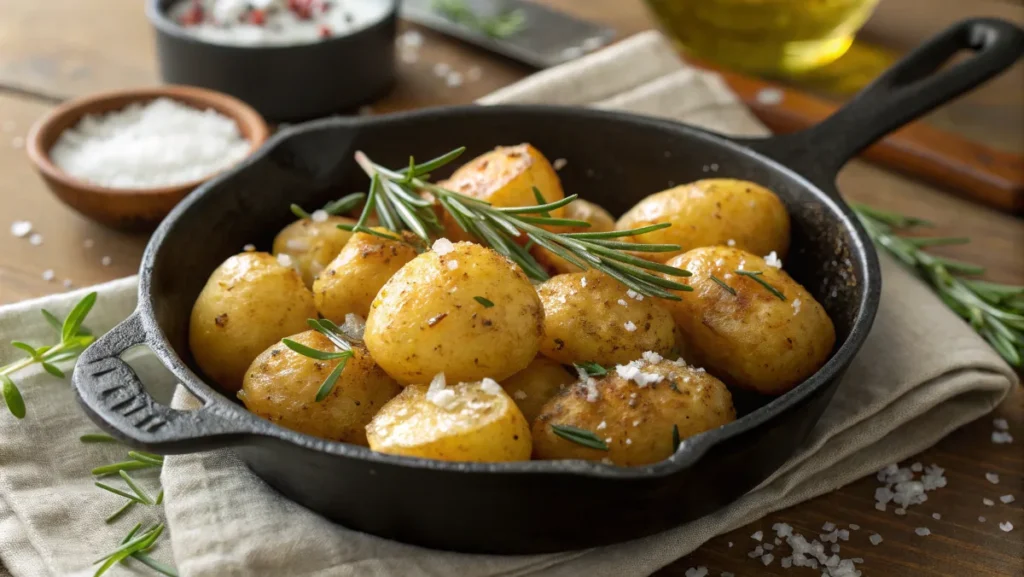
Roasting Baby Dutch Yellow Potatoes enhances their natural sweetness. Toss them with olive oil, garlic, and herbs, then roast until golden and crispy.
Boiling
Boiling preserves their creamy texture and makes them perfect for salads or mashed potatoes. Leave the skin on for added flavor and nutrients.
Grilling
Grilling brings out a smoky flavor. Cut the potatoes into halves, season, and grill until tender.
Common Myths About Baby Dutch Yellow Potato Skins
- Do Potato Skins Contain Harmful Substances?
- The Myth: Potato skins are toxic and should be avoided.
- The Truth:
- Potato skins are safe to eat and highly nutritious, containing fiber, potassium, and antioxidants.
- The concern arises only when potatoes are improperly stored, resulting in green skins or sprouting eyes. These may contain higher levels of solanine, a naturally occurring compound that can be harmful in large quantities.
- Baby Dutch Yellow Potatoes are less likely to develop high solanine levels if stored in a cool, dark, and dry place away from light and heat.
- Addressing Misconceptions
- Misconception: Skins are indigestible.
- Reality: Potato skins are easy to digest for most people and add valuable fiber to your diet, supporting digestive health.
- Misconception: Removing the skin makes potatoes healthier.
- Reality: Peeling potatoes removes many nutrients, including vitamins B and C, found just beneath the skin.
- How to Handle Baby Dutch Yellow Potato Skins Safely
- Avoid Green Potatoes: Discard potatoes with green skin or a bitter taste, as they may contain solanine.
- Remove Sprouts: If eyes or sprouts appear, cut them away before cooking.
- Wash Thoroughly: Use a brush or cloth to scrub dirt and debris from the skin before cooking.
- The Nutritional Value of Potato Skins
- High in dietary fiber, which promotes satiety and supports gut health.
- Rich in potassium, which helps regulate blood pressure.
- Contains antioxidants, including polyphenols, that support overall health.
- The Bottom Line
- Potato skins are a safe, nutritious, and sustainable part of the vegetable when properly stored and prepared.
- Baby Dutch Yellow Potatoes, in particular, are small, tender, and perfect for enjoying with their skins intact, making them a convenient and healthy option.
Tips for Enjoying Baby Dutch Yellow Potatoes
Baby Dutch Yellow Potatoes are small, creamy, and naturally buttery, making them versatile and easy to prepare. Here are some tips for enjoying them:
- Choose Fresh Potatoes
- Look for firm, smooth-skinned potatoes without blemishes or sprouts.
- Store them in a cool, dark, and dry place to maintain freshness.
- Simple Preparation
- No Peeling Required: The thin skin is delicate and edible, so you can skip peeling.
- Wash Thoroughly: Scrub gently to remove any dirt.
- Easy Cooking Methods
- Roasting: Toss with olive oil, salt, pepper, and your favorite herbs (like rosemary or thyme). Roast at 425°F (220°C) for about 20-25 minutes until golden and crispy.
- Boiling: Boil until tender (about 10-15 minutes), then toss with butter, parsley, or garlic for a quick side dish.
- Grilling: Skewer whole potatoes, brush with oil, and grill until charred and tender.
- Sautéing: Slice them and sauté in butter or oil with garlic, onions, or peppers for a crispy, flavorful dish.
- Enhance Flavor
- Pair with fresh herbs like dill, chives, or parsley.
- Use bold seasonings like smoked paprika, chili powder, or garlic powder.
- Finish with a squeeze of lemon juice, grated Parmesan, or a drizzle of truffle oil for an elevated taste.
- Try Creative Dishes
- Potato Salad: Mix boiled potatoes with a tangy dressing, such as mustard or a mayo-based sauce.
- Soup Additions: Add boiled or roasted potatoes to creamy soups for texture.
- Mash or Smash: Lightly smash cooked potatoes, brush with oil, and bake or pan-fry for a crispy exterior.
- Serve Them as Appetizers
- Stuff halved, roasted potatoes with sour cream and chives for mini bites.
- Use them as a base for small potato “nachos,” topped with cheese, bacon, and jalapeños.
- Pair with Proteins
- Baby Dutch Yellow Potatoes complement roasted chicken, grilled steak, baked fish, or tofu dishes.
- Storage Tip for Leftovers
- Refrigerate cooked potatoes in an airtight container for up to 3-4 days.
- Reheat by roasting or sautéing to bring back their crispy texture.
Enjoy exploring the endless possibilities with these delightful potatoes!
Sustainable Practices with Baby Dutch Yellow Potato Skins
- Waste Reduction by Eating the Skin
- Why It Matters: The thin, delicate skin of Baby Dutch Yellow Potatoes is edible, nutrient-rich, and flavorful. By consuming the skin, you:
- Reduce Food Waste: Maximize the use of the entire potato, minimizing scraps.
- Retain Nutrients: The skin is a source of fiber, vitamins, and minerals that contribute to a balanced diet.
- How to Enjoy: Simply wash the potatoes thoroughly before cooking to ensure the skin is clean and ready to eat.
- Eco-Friendly Cooking Methods
- Steaming: Uses minimal water and preserves nutrients, making it an energy-efficient method.
- Roasting: Roasting in an oven at a high temperature is a dry-heat method that requires no water and produces less steam, saving energy.
- Grilling: If you’re already grilling other items, add potatoes to make the most of your energy use.
- Buy Locally and in Bulk
- Purchase Baby Dutch Yellow Potatoes from local farmers or markets to reduce the carbon footprint associated with transportation.
- Opt for loose potatoes rather than pre-packaged ones to minimize plastic waste.
- Repurpose Leftovers
- Leftover Roasted Potatoes: Use them in breakfast hash or frittatas.
- Potato Skins: If you prefer to peel some potatoes, bake or fry the peels for a crispy snack.
- Compost Scraps
- If you end up with any waste (like peels or damaged potatoes), compost them instead of throwing them away. Potatoes decompose quickly and enrich soil.
- Use Eco-Friendly Seasonings
- Buy herbs and spices in bulk or grow your own for seasoning.
- Use olive oil or other sustainable cooking oils in small amounts.
- Energy Efficiency
- Cook in larger batches to save time and energy.
- Use lids on pots to retain heat and cook potatoes faster.
FAQs
1. Can you eat Baby Dutch Yellow Potatoes raw?
While technically edible, raw potatoes may not be pleasant in taste or texture and are harder to digest.
2. Are Baby Dutch Yellow Potatoes gluten-free?
Yes, they are naturally gluten-free and suitable for those with gluten sensitivities.
3. Should I refrigerate Baby Dutch Yellow Potatoes?
No, store them in a cool, dark place to maintain freshness.
4. Do I need to peel them before cooking?
No, their thin skin is edible and enhances the flavor and nutrition of dishes.
5. Are Baby Dutch Yellow Potatoes good for weight loss?
Yes, they are low in calories and high in fiber, making them a great choice for weight management.
6. What dishes can I prepare with Baby Dutch Yellow Potatoes?
They are versatile and can be roasted, grilled, boiled, or mashed for various recipes.
Conclusion
Eating the skin of Baby Dutch Yellow Potatoes is not only safe but highly beneficial. Their thin, flavorful skin enhances both the taste and nutritional value of these versatile potatoes. By incorporating them into your meals, you can enjoy a wholesome, eco-friendly, and delicious food experience.
For more tips on potato preparation, read our full guide on The Best Way to Prepare Baby Dutch Yellow Potatoes.