
Introduction
Pancakes have long been a breakfast staple, but with the growing focus on health and nutrition, many people wonder if they can give their pancakes a protein-packed upgrade. One popular question is: “Can I use protein powder instead of flour for pancakes?” In this article, we’ll explore why you might want to replace flour with protein powder, the benefits of this substitution, and how to get started.
Table of Contents
Why Replace Flour with Protein Powder in Pancakes?
Understanding Protein Powder Substitution
Flour has been the cornerstone of pancake recipes for generations, but with the rise of fitness-focused diets, protein powder has emerged as a worthy alternative. Replacing flour with protein powder can drastically increase the protein content of your pancakes, making them an excellent choice for athletes, bodybuilders, and anyone seeking a high-protein meal.
Protein powder offers a unique set of benefits compared to flour. While flour provides carbohydrates and acts as a binding agent, protein powder not only binds but also enhances the nutritional profile of your pancakes. This switch is ideal for low-carb diets like keto or anyone looking to balance their macronutrients.
Benefits of Using Protein Powder Over Flour
- Increased Protein Intake: Boost your daily protein consumption without extra effort.
- Fewer Carbs: Protein powder has significantly fewer carbohydrates than traditional flour, making it perfect for low-carb diets.
- Variety in Flavors: Protein powders come in flavors like vanilla, chocolate, and even cinnamon, adding a delicious twist to your pancakes.
- Gluten-Free Options: Many protein powders are gluten-free, making them suitable for those with gluten sensitivities.
Common Misconceptions
Many believe substituting protein powder for flour will ruin the texture of pancakes. While it’s true that protein powder behaves differently during cooking, the right adjustments to liquid ratios and cooking times can yield fluffy and delicious results.
Types of Protein Powder to Use in Pancakes

Whey Protein vs. Plant-Based Protein
Not all protein powders are created equal, and the type you choose can greatly affect the outcome of your pancakes. Whey protein, derived from milk, is a popular choice due to its smooth texture and ability to blend seamlessly into batter. On the other hand, plant-based protein powders, such as pea or rice protein, are excellent for vegans and those with dairy allergies.
Whey Protein:
- Pros: Smooth texture, blends easily, available in various flavors.
- Cons: May not be suitable for lactose-intolerant individuals.
Plant-Based Protein:
- Pros: Dairy-free, high in fiber, and often allergen-friendly.
- Cons: Can create a slightly denser pancake texture.
Choosing the Right Flavor for Pancakes
Protein powders come in a wide array of flavors, from classic vanilla to indulgent chocolate. When making pancakes, choosing a complementary flavor is key. Vanilla protein powder is the most versatile and works well with fruity toppings, while chocolate is perfect for a dessert-like twist.
Don’t miss out on other high-protein pancake inspirations in our Pumpkin Protein Pancakes Guide.
Explore how versatile vanilla is in our Vanilla Nut Granola Recipe.
For a chocolate lover’s delight, pair your pancakes with ideas like this Chocolate Espresso Martini Recipe.
Pro Tip: Avoid overly sweet protein powders as they can make your pancakes too sugary.
Key Characteristics to Look for in Protein Powder
To ensure your pancakes turn out perfectly, pick a protein powder with the following features:
- Low Sugar Content: Keeps your pancakes from being overly sweet.
- Fine Texture: Blends smoothly into the batter for a lump-free mix.
- Neutral or Mild Flavors: Allows you to customize the pancake’s taste with additional ingredients.
By selecting the right protein powder, you set yourself up for pancake perfection. Whether you’re looking for a plant-based or whey option, the right choice can make all the difference in flavor, texture, and nutrition.
How to Substitute Protein Powder for Flour
The Right Protein Powder-to-Flour Ratio
Substituting protein powder for flour isn’t a 1:1 exchange, as protein powder behaves differently when mixed and cooked. A common ratio is to replace up to 50% of the flour in a recipe with protein powder. For example, if your pancake recipe calls for 1 cup of flour, you can use ½ cup of protein powder and ½ cup of flour.
This balance is crucial because flour provides the structure needed for fluffy pancakes. Using only protein powder might make the pancakes denser or prone to breaking apart.
Pro Tip: When experimenting with replacing flour entirely, add a binding agent like xanthan gum, ground flaxseed, or an extra egg to maintain structure.
Adjusting Liquid Ingredients for Balance
Protein powder absorbs more liquid than flour, which means you’ll need to tweak the amount of milk, water, or other liquids in your recipe. Start by adding 10-20% more liquid than the recipe calls for and gradually adjust until you achieve the desired pancake batter consistency.
Example:
- Original recipe: 1 cup of milk.
- Adjusted recipe: 1 ¼ cups of milk.
This step ensures your pancakes stay moist and cook evenly.
Tips for Mixing to Avoid Lumps
Protein powder tends to clump more than flour when mixed, leading to uneven batter. To avoid this, follow these tips:
- Sift the Protein Powder: Run the protein powder through a fine mesh sieve before mixing it with other dry ingredients.
- Mix Dry Ingredients First: Combine the protein powder, baking powder, and any other dry ingredients before adding wet ingredients.
- Use a Whisk or Blender: These tools can break up lumps and create a smooth batter.
Cooking Considerations
Protein pancakes may cook slightly faster than traditional ones due to the absence of flour. Use a lower heat setting to prevent burning, and keep an eye on the edges for doneness. Flip gently, as protein-based pancakes can be more delicate.
How Much Protein Powder Can You Substitute for Flour in Pancakes?
Standard Measurements
The amount of protein powder you can substitute depends on your recipe and personal preference. A good rule of thumb is to replace 25-50% of the flour with protein powder for the best texture and flavor balance.
Recommended Measurements:
- For 1 cup of flour: Use ½ cup protein powder and ½ cup flour.
- For 2 cups of flour: Use 1 cup protein powder and 1 cup flour.
Adjusting Recipes for Flavor and Texture
The type of protein powder used can affect the texture of your pancakes. For example:
- Whey Protein: Creates a smoother batter and fluffier pancakes.
- Plant-Based Protein: May result in denser pancakes but adds fiber and nutrition.
If replacing all the flour with protein powder, adding an extra egg and a tablespoon of oil can help achieve a better consistency.
Protein Powder’s Impact on Pancake Thickness
Protein powder tends to make pancakes thicker and denser compared to traditional flour-based recipes. If you prefer thinner pancakes, consider:
- Adding More Liquid: Increase milk or water slightly to thin the batter.
- Reducing Protein Powder: Lower the substitution percentage to 25%.
This ensures your pancakes retain the light and airy quality you love.
What Happens if You Use Protein Powder Instead of Flour?
Changes in Texture
Replacing flour with protein powder in pancakes brings noticeable changes in texture. Protein powder is less dense and more absorbent than flour, which can result in:
- Thicker Pancakes: Due to the protein powder’s high absorbency, the batter becomes thicker.
- Dense or Chewy Texture: Without proper adjustments, your pancakes might turn out heavier than expected.
The good news? These issues can be addressed by tweaking the recipe, such as increasing liquids or adding leavening agents like baking powder.
Adjustments to Cooking Time
Protein pancakes typically cook faster than traditional ones because protein powder reacts differently to heat. Use medium-low heat to prevent burning and cook for slightly less time per side. The edges may cook quicker, so keep an eye on them while flipping.
Nutritional Impact
Substituting protein powder for flour significantly boosts the nutritional value of your pancakes. Here’s how:
- Higher Protein Content: Ideal for muscle recovery and keeping you full longer.
- Lower Carbs: A better option for low-carb diets.
- Added Vitamins and Minerals: Many protein powders come fortified with essential nutrients.
However, some protein powders may add artificial sweeteners or flavors, so choose one with clean ingredients for a healthier meal.
Can I Put Protein Powder in Pancakes Without Replacing Flour?
Adding Protein Powder as a Supplement
If you’re not ready to completely replace flour, you can still enjoy the benefits of protein powder by adding it to your pancake recipe. For every 1 cup of flour, add 1-2 scoops (about 20-40 grams) of protein powder.
This approach maintains the familiar texture of traditional pancakes while boosting their protein content.
Balancing Protein and Flour for Ideal Pancakes
Combining protein powder and flour allows you to enjoy the best of both worlds: the structure provided by flour and the nutritional benefits of protein powder. Here’s a balanced recipe idea:
- Dry Ingredients: ¾ cup flour + ¼ cup protein powder.
- Wet Ingredients: Adjust liquid (milk or water) as needed for consistency.
- Binding Agents: Add an egg or flaxseed for extra stability.
This combination yields pancakes that are fluffy and full of flavor without being overly dense or chewy.
Recipes for Combination Pancakes
- Classic Protein Pancakes: Combine vanilla protein powder with whole wheat flour for a healthier twist.
- Banana Protein Pancakes: Mix mashed bananas into the batter for natural sweetness.
- Chocolate Chip Protein Pancakes: Use chocolate-flavored protein powder and sprinkle chocolate chips for a treat-worthy breakfast.
Why This Method Works
By adding protein powder instead of completely replacing flour, you avoid potential pitfalls like overly dense pancakes or batter that’s difficult to work with. It’s a beginner-friendly way to experiment with protein-enriched recipes while maintaining a familiar taste and texture.
Benefits of High-Protein Pancakes
Boosting Your Daily Protein Intake
Protein is an essential nutrient for building and repairing muscles, maintaining skin and hair health, and supporting various bodily functions. By incorporating protein powder into pancakes, you can significantly increase your daily protein intake without relying on additional meals or snacks.
For instance, a serving of protein pancakes can contain up to 20-30 grams of protein, depending on the powder used—enough to fuel your morning or support post-workout recovery.
Supporting Fitness Goals
High-protein pancakes are a great addition to fitness-oriented diets. Whether you’re aiming to build muscle, lose weight, or maintain energy levels, these pancakes:
- Promote Muscle Recovery: Perfect for a post-workout breakfast.
- Enhance Satiety: Keep you fuller for longer, reducing unnecessary snacking.
- Provide Balanced Macros: Especially when paired with healthy toppings like nut butter or Greek yogurt.
A Healthier Alternative to Traditional Pancakes
Replacing flour with protein powder or adding it as a supplement allows you to create a healthier breakfast option. Benefits include:
- Lower Sugar Content: Protein powders often have minimal or no added sugar.
- Reduced Carbohydrates: Great for low-carb or keto diets.
- Added Nutrients: Some powders are fortified with vitamins, minerals, and even probiotics.
Pro Tip: Use natural toppings like fresh berries, unsweetened almond butter, or a drizzle of honey to further enhance the health benefits.
Protein Powder Pancake Recipes You’ll Love
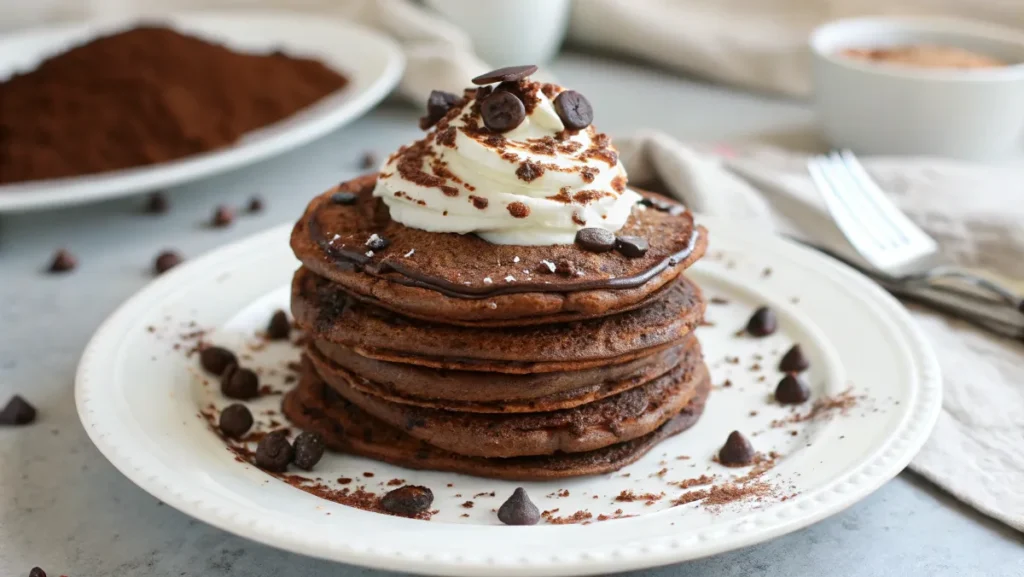
Basic Protein Powder Pancakes
Ingredients:
- 1 scoop (about 20g) vanilla protein powder
- ½ cup rolled oats (or oat flour)
- 1 egg
- ½ cup milk (dairy or plant-based)
- ½ tsp baking powder
- Pinch of salt
Directions:
- Blend all ingredients until smooth.
- Heat a non-stick skillet over medium heat and pour batter to form small pancakes.
- Cook for 2-3 minutes per side or until golden brown.
- Serve with your favorite toppings like fresh fruit or maple syrup.
Vegan Protein Powder Pancakes
Ingredients:
- 1 scoop plant-based protein powder
- ½ cup almond flour
- 1 tbsp ground flaxseed (mixed with 3 tbsp water as a flax egg substitute)
- ½ cup almond milk
- ½ tsp vanilla extract
Directions:
- Mix all dry ingredients in a bowl.
- Stir in wet ingredients until combined. Let sit for 5 minutes.
- Cook on medium heat until bubbles form, then flip and cook until golden.
Chocolate Protein Pancakes
Ingredients:
- 1 scoop chocolate protein powder
- 1 tbsp cocoa powder
- ½ cup whole wheat flour
- 1 egg
- ½ cup milk
- 1 tsp baking powder
Directions:
- Combine dry ingredients in one bowl and wet ingredients in another.
- Gradually mix the wet into the dry ingredients.
- Cook as usual and top with dark chocolate chips or a dollop of Greek yogurt.
Pro Tip: Customize these recipes by swapping ingredients or adding extras like chia seeds, cinnamon, or grated zucchini for added nutrition.
FAQs About Replacing Flour with Protein Powder in Pancakes
Can You Replace Flour with Protein Powder in Pancakes?
Yes, you can replace flour with protein powder in pancakes, either partially or entirely, depending on your desired texture and nutritional goals. Replacing up to 50% of the flour with protein powder ensures the pancakes retain their structure while increasing protein content. For a full replacement, you’ll need to tweak the recipe with extra liquid and binding agents like eggs or xanthan gum.
What Happens If You Use Protein Powder Instead of Flour?
Using protein powder instead of flour changes the texture, making the pancakes denser and slightly chewier. Cooking times may also be shorter, as protein powder reacts differently to heat. However, the substitution boosts the nutritional value, providing higher protein and fewer carbohydrates compared to traditional flour.
Can I Put Protein Powder in My Pancakes Without Replacing Flour?
Absolutely! You can add 1-2 scoops of protein powder to your regular pancake recipe to increase the protein content without altering the texture too much. This method works well if you’re new to using protein powder in cooking or prefer the traditional pancake texture.
How Much Protein Powder Can You Substitute for Flour in Baking?
The ideal substitution is 25-50% of the flour with protein powder. For example, in a recipe requiring 1 cup of flour, you can use ½ cup flour and ½ cup protein powder. If you want to substitute all the flour, expect to adjust liquids and include binders like eggs or flaxseed to maintain consistency.
What Are the Best Toppings for Protein Powder Pancakes?
Protein powder pancakes pair well with healthy and delicious toppings like:
Fresh fruits such as bananas, strawberries, or blueberries.
Nut butter like almond or peanut butter for extra protein.
A drizzle of honey or pure maple syrup for sweetness.
Greek yogurt for creaminess and added protein.
Conclusion: Should You Use Protein Powder Instead of Flour for Pancakes?
Replacing flour with protein powder in pancakes is a fantastic way to create a high-protein, low-carb breakfast that supports your fitness and nutritional goals. Whether you substitute partially or fully, you can enjoy fluffy, flavorful pancakes with the right adjustments to ingredients and cooking techniques.
Protein powder pancakes are versatile, offering endless possibilities to experiment with flavors, textures, and toppings. From chocolatey indulgence to vegan-friendly options, there’s a recipe to suit every preference.
If you’re new to using protein powder in cooking, start by substituting 25-50% of the flour and gradually experiment with higher ratios. Adjust liquids, include binding agents, and choose the right protein powder for the best results.
So, the next time you’re flipping pancakes, consider swapping flour for protein powder to enjoy a delicious and nutritious twist on a breakfast classic. Your taste buds—and your body—will thank you! For more tips and healthy recipe inspiration, check out our Facebook page, Truth Recipes.