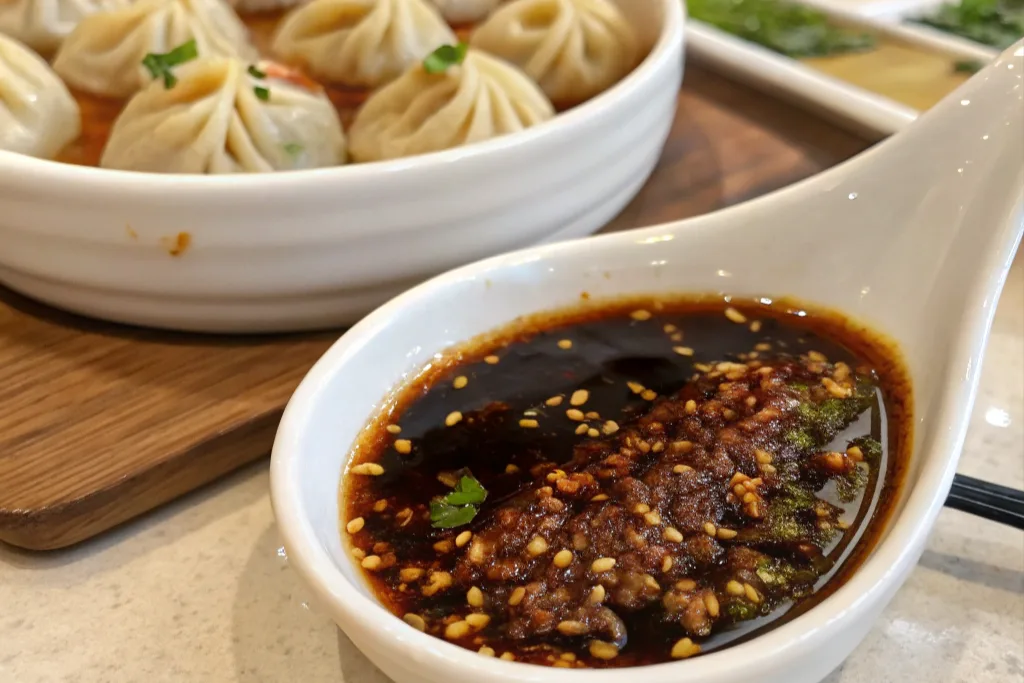
At TruthRecipes, I’ve spent years turning cooking missteps into flavorful wins, and few discoveries have been as exciting as Din Tai Fung Black Vinegar. It’s not just a dipping sauce—it’s a punchy, aromatic condiment that transforms every dumpling bite into a rich, savory experience. As a food-loving mom and home cook who’s burned toast more than once, I’ve learned that small ingredients can create big magic. And Din Tai Fung Black Vinegar is one of those secrets worth sharing.
My obsession started with one unforgettable bite at Din Tai Fung, where the dumpling sauce was tangy, complex, and perfectly balanced. That moment sent me down a delicious rabbit hole: What exactly is in this vinegar? How is it different from regular black vinegar? And most importantly—can I recreate it at home? In this complete guide, I’ll walk you through everything I uncovered about Din Tai Fung Black Vinegar—from ingredients to substitutes, and even the perfect soy sauce ratio. Check out what kind of vinegar Din Tai Fung actually uses if you’re ready to level up your dumpling game.
Table of Contents
What Is Din Tai Fung Black Vinegar?
The History and Cultural Significance of Din Tai Fung Black Vinegar
Din Tai Fung Black Vinegar isn’t just a sauce—it’s a tradition. Originating from the culinary roots of Jiangsu and Zhejiang provinces in China, this black vinegar was popularized globally thanks to Din Tai Fung’s fame in Taiwanese cuisine. While the restaurant chain is celebrated for its xiao long bao (soup dumplings), it’s the dipping sauce—anchored by their signature black vinegar—that elevates every bite.
The base of Din Tai Fung Black Vinegar is similar to Chinkiang vinegar, a black rice vinegar from eastern China known for its malty, smoky profile. Over the years, Din Tai Fung refined this into something richer and more balanced, adapting it to suit their dumpling-forward menu. Its slightly sweet tanginess and subtle complexity are now signature elements of the dining experience.
In Taiwanese food culture, this vinegar represents more than a condiment—it’s a symbol of how acidity can balance fatty meats, enhance umami, and cut through richness without overwhelming flavor. It’s why this humble sauce continues to have an almost cult-like following among diners worldwide.
Looking for inspiration? Try recreating that iconic combo with this Din Tai Fung-style xiao long bao recipe.
How Black Vinegar Became a Staple at Din Tai Fung
What started as a local flavor enhancer became a global icon because of Din Tai Fung’s obsession with detail. The black vinegar they serve is carefully portioned with soy sauce and paired with freshly julienned ginger. This trio is now widely copied across Chinese restaurants around the world—but none quite hit the balance that Din Tai Fung delivers.
The vinegar’s unique taste profile is achieved through a blend of aged rice vinegar, caramel, and sometimes dried fruits or herbs for depth. It’s served in specific ratios (which we’ll dive into later) to harmonize with the delicately wrapped dumplings, enhancing their richness without masking the flavor of the meat.
Today, black vinegar at Din Tai Fung isn’t just a side item—it’s part of the ritual. Diners expect it, crave it, and often ask how to bring it home. If you’re one of them, you’re not alone.
Don’t miss our guide to what kind of vinegar they use at Din Tai Fung to get the real deal.
Chinkiang Vinegar vs. Din Tai Fung Black Vinegar

Is Chinkiang Vinegar the Same as Din Tai Fung Black Vinegar?
A common question among food lovers is whether Chinkiang vinegar and Din Tai Fung Black Vinegar are the same thing. While they share roots and some flavor similarities, the answer is: not exactly. Chinkiang vinegar, a well-known black vinegar from China’s Jiangsu province, is typically made from glutinous rice, water, and wheat bran. It’s dark, slightly sweet, and full of umami. It’s also the base that Din Tai Fung uses—but with some proprietary tweaks.
Din Tai Fung Black Vinegar takes inspiration from Chinkiang but elevates it. The flavor is more refined and balanced, often slightly less sweet but deeper in aroma. It complements dumplings without overpowering them. The restaurant likely uses a special house blend that incorporates aged vinegar with caramel notes and perhaps even fruit infusions. This gives it that signature depth we all crave with xiao long bao.
Many at-home cooks use Chinkiang vinegar as a substitute for Din Tai Fung Black Vinegar, and it’s a solid choice if you’re DIY-ing your dumpling sauce. However, true fans will notice the difference. The latter has more complexity and smoothness, with none of the sharpness that cheaper vinegars sometimes bring.
Discover great ideas like this delicious Din Tai Fung cucumber salad recipe that pairs perfectly with black vinegar dressing.
Key Taste and Ingredient Differences Between the Two
So what exactly sets Din Tai Fung Black Vinegar apart in your mouth and on your plate? It’s all about the blend. Chinkiang vinegar tends to have a bold, upfront tang with an edge of sweetness. Din Tai Fung’s version, on the other hand, is gentler and more layered. There’s a mellow tartness, followed by savory complexity, then a slightly sweet finish that lingers.
When you compare ingredients, both vinegars start similarly—fermented rice or wheat bran, water, and sugar—but Din Tai Fung Black Vinegar may include aged vinegar, malt, dried jujube (Chinese red dates), or other aromatic agents. It’s these subtle additions that enhance the balance of salt, sweet, sour, and umami—making it ideal for more than just dumplings.
Bottom line? If you’re after authenticity in your Asian cooking, particularly when trying to recreate the flavor profile from Din Tai Fung, seek out premium Chinkiang vinegar—but understand it won’t be a perfect match. And if you’re lucky enough to find a bottle of the real Din Tai Fung Black Vinegar, stock up.
Check out this flavor-packed chipotle black beans recipe—a fusion-friendly dish that surprisingly pairs well with a splash of black vinegar.
PART 3: The Role of Din Tai Fung Black Vinegar in Dumpling Dipping Sauce
Why Din Tai Fung Black Vinegar Enhances Dumplings
If you’ve ever dipped a hot soup dumpling into a tiny bowl of soy sauce and vinegar, then you know: it’s not just a side condiment—it’s part of the main event. Din Tai Fung Black Vinegar plays a critical role in elevating the flavor of xiao long bao. Its deep acidity cuts through the fattiness of pork, while the mellow sweetness and savory undertones balance the entire bite.
The flavor profile of Din Tai Fung Black Vinegar works like magic with steamed dumplings. The vinegar doesn’t just sit on the tongue—it unfolds. First comes a light tang, then a toasty depth that mingles with soy sauce and shredded ginger. This perfect trio doesn’t overpower the filling. Instead, it enhances the soup inside each dumpling and balances the thin wrapper’s chewiness.
At Din Tai Fung, the dipping experience is just as intentional as the dumplings themselves. Their black vinegar isn’t chosen at random—it’s selected to complement the umami-rich broths inside the dumplings. If you’re making dumplings at home, using a high-quality vinegar sauce can be the difference between “pretty good” and “wow, that’s restaurant-level!”
Don’t miss our best tips for making Din Tai Fung-style xiao long bao to pair with this essential black vinegar sauce.
Traditional Dumpling Sauce Combinations Featuring Black Vinegar
Most diners at Din Tai Fung are familiar with the small dipping dish delivered alongside your dumplings. It’s often a simple combination: 3 parts Din Tai Fung Black Vinegar to 1 part soy sauce, topped with matchstick slices of fresh ginger. This combination has become a gold standard for dumpling lovers worldwide.
Other popular customizations include a splash of chili oil, a pinch of sugar, or even a drizzle of sesame oil. However, no matter how you personalize it, the black vinegar remains the star. It’s the base that defines the dipping sauce’s integrity, bringing everything else into balance.
Here’s a quick comparison table for reference:
| Sauce Ingredient | Flavor Role | Recommended Ratio |
|---|---|---|
| Din Tai Fung Black Vinegar | Tangy, complex base | 3 parts |
| Soy Sauce | Saltiness and umami | 1 part |
| Fresh Ginger | Sharpness and freshness | Few slivers |
| Optional Chili Oil | Heat and aroma | 1/4 tsp (to taste) |
If you’re customizing your own dumpling sauce at home, Din Tai Fung Black Vinegar should always take center stage. Think of it as the backbone—everything else is just there to support it.
Looking for more smart kitchen tricks? Learn more about why certain vinegars work better for cooking Asian dishes.
PART 4: Din Tai Fung Vinegar-to-Soy Sauce Ratio Explained

The Ideal Din Tai Fung Black Vinegar to Soy Sauce Ratio
At Din Tai Fung, the dipping sauce is more than a condiment—it’s a precise science. The ideal ratio of Din Tai Fung Black Vinegar to soy sauce is 3:1. That means three parts vinegar to one part soy sauce, carefully mixed to deliver the ultimate balance of tang, salt, and umami. This formula is no accident. It’s been tested and perfected to highlight the flavor of delicate dumplings without overpowering them.
The reason this ratio works so well lies in the balance of intensity. Din Tai Fung Black Vinegar offers complex acidity with subtle sweetness, which brightens the savory depth of the soy sauce. The ginger slices added on top act as a palate cleanser, cutting through the richness of the soup-filled xiao long bao with every bite.
This perfect ratio ensures that the black vinegar leads the flavor profile, while soy sauce provides just enough salt to round things out. It’s simple, but once you try it, you’ll notice how much more refined your dumpling experience becomes.
Looking for inspiration? Try experimenting with sauces using our matcha muffins with almond flour recipe—yes, vinegar plays a role in sweet bakes too!
Expert Tips for Customizing the Ratio at Home
Everyone’s palate is different, and while the 3:1 ratio is the traditional standard at Din Tai Fung, it’s okay to tweak the mix to your liking. If you enjoy a bolder, saltier dip, try 2:1 (vinegar to soy). Prefer more acidity with less salt? Bump it up to 4:1. If you’re new to the sauce game, start with the classic and adjust gradually.
Here are a few quick mix-and-match ideas using Din Tai Fung Black Vinegar:
- Spicy Boost: Add a touch of chili crisp or Szechuan oil for heat.
- Sweet Balance: Mix in 1/4 teaspoon of sugar to enhance depth.
- Aromatic Twist: Add a drop of sesame oil or a dash of minced garlic.
- Citrusy Kick: A splash of yuzu or lime juice can create a whole new layer.
Whatever your preference, keep the black vinegar as the dominant component. After all, it’s what makes Din Tai Fung’s dipping sauce unforgettable.
Discover how vinegar balance can change flavor entirely in our homemade vinegar flavor experiments.
PART 5: Ingredients Breakdown – What’s in Chinese Black Vinegar?
Common Ingredients Found in Din Tai Fung Black Vinegar
At its core, Din Tai Fung Black Vinegar is a type of Chinese black vinegar, traditionally made through the fermentation of glutinous rice. But what gives this specific version its complexity? It starts with a simple base: fermented rice, wheat bran, water, and sugar. These ingredients are then aged in clay jars or wooden barrels, deepening the flavor and enhancing its characteristic dark color.
But Din Tai Fung doesn’t stop at traditional. Their black vinegar is often described as having layers of caramel, a mild smokiness, and even faint fruity notes. That flavor complexity is likely due to subtle additions such as jujube (Chinese red dates), malt, or even licorice root—common additions in some regional variations of black vinegar. These ingredients aren’t listed on a public label, but the flavor speaks for itself.
The sweetness, tartness, and umami-rich quality of Din Tai Fung Black Vinegar make it more than just sour liquid. It’s a highly crafted condiment. This vinegar brings balance to rich meats, depth to broths, and brightness to sauces—earning its place in every dumpling lover’s toolkit.
Don’t miss our rundown of the best uses for different types of vinegar in Chinese cuisine for deeper context.
Nutrition and Fermentation Benefits of Black Vinegar
Black vinegar isn’t just flavorful—it also comes with surprising health perks. The fermentation process increases its nutritional value, introducing enzymes and organic acids that support digestion. Compared to white vinegar, Chinese black vinegar like the one used in Din Tai Fung Black Vinegar tends to be lower in acidity but richer in trace minerals and amino acids.
Here’s a snapshot of what 1 tablespoon of black vinegar might contain:
| Nutrient | Approx. Value |
|---|---|
| Calories | 5–10 |
| Sodium | 0–5 mg |
| Acetic Acid | ~4–6% |
| Antioxidants | Moderate |
Because of its complexity and natural production, many traditional medicine systems in Asia have used black vinegar to “warm the body,” aid circulation, and boost metabolism. While we’re not prescribing any remedies here, it’s nice to know your dumpling sauce might also be doing your body a small favor.
In the context of your kitchen, Din Tai Fung Black Vinegar proves itself both flavorful and functional—a rare combination in everyday condiments.
Check out this flavorful guide to cooking with health-boosting ingredients for more ingredient magic.
PART 6: Where to Buy Din Tai Fung Black Vinegar or Alternatives
Best Places to Find Din Tai Fung Black Vinegar
For home cooks who’ve fallen in love with that signature tang, the big question becomes: Can I actually buy Din Tai Fung Black Vinegar? The answer is yes—but with a caveat. While Din Tai Fung doesn’t widely retail their branded vinegar in the U.S., some locations offer bottles for purchase in-store. If you’re near one of their restaurants, call ahead and ask if they sell it—some diners have scored this liquid gold straight from the source.
Online, your best bet is specialty Asian food retailers. Websites like Weee!, Yamibuy, or UmamiCart sometimes stock it, although supplies are limited and vary by region. Occasionally, Din Tai Fung-branded products pop up on Amazon or eBay, but be sure to check the reviews and origins before ordering. You want the real stuff—not a watered-down knockoff.
And of course, when all else fails, you can use the next best thing: Chinkiang vinegar. While it’s not identical, it’s incredibly close in both taste and aroma. For most homemade dumpling dips or stir-fry sauces, a high-quality Chinkiang vinegar will mimic Din Tai Fung Black Vinegar beautifully.
Check out our guide to the best vinegar substitutes if you need a quick alternative.
Top Black Vinegar Brands to Try at Home
If you can’t get your hands on Din Tai Fung’s exact vinegar, don’t worry—you’ve got fantastic options. These black vinegar brands have solid reputations for quality and flavor complexity:
| Brand | Description | Notes |
|---|---|---|
| Gold Plum (Chinkiang) | Aged, rich, smoky, and slightly sweet | Best widely available choice |
| Heng Shun | Traditional fermented black rice vinegar from China | Affordable & authentic |
| Koon Chun | Milder than others, great for light sauces | Good for dipping and salad |
| Lee Kum Kee | Smooth and slightly sweet; convenient squeeze bottle | Great for home cooks |
When shopping, look for terms like “aged,” “fermented,” or “black rice vinegar” on the label. Avoid versions with high levels of added sugar or preservatives if you’re aiming for something close to Din Tai Fung Black Vinegar.
Whether you’re cooking dumplings, cold salads, or even noodles, a good bottle of black vinegar can open up an entire new layer of flavor. And once you try it, you might start reaching for it more often than your usual balsamic or white vinegar.
Don’t miss our underrated recipe using vinegar in this easy cornbread guide. It’s a surprising combo that works.
Frequently Asked Questions About Din Tai Fung Black Vinegar
Is Chinkiang vinegar the same as black vinegar?
Chinkiang vinegar is a type of Chinese black vinegar, originating from Jiangsu province. While it’s the most common version of black vinegar, Din Tai Fung Black Vinegar is often a customized or premium version of Chinkiang. Din Tai Fung likely enhances it with subtle additions like aged malt or dried fruit for a deeper, smoother flavor.
What is the black vinegar for dumplings?
The black vinegar served with dumplings—especially at Din Tai Fung—is a tangy, slightly sweet fermented rice vinegar. Din Tai Fung Black Vinegar is used to balance the richness of dumplings like xiao long bao, offering a bright contrast to fatty pork or savory fillings.
What is the ratio of vinegar to Din Tai Fung soy sauce?
Din Tai Fung recommends a 3:1 ratio—three parts black vinegar to one part soy sauce. This mix highlights the vinegar’s depth and lets the saltiness of the soy sauce support, not overpower, the flavor. Add shredded ginger to complete the classic combination.
What are the ingredients in Chinese black vinegar?
Most Chinese black vinegars, including Din Tai Fung Black Vinegar, are made from fermented glutinous rice, wheat bran, water, and sometimes caramel or jujube. The fermentation and aging process creates a dark, complex, umami-rich flavor ideal for dumpling sauces and marinades.
Conclusion: Bring the Magic of Din Tai Fung Black Vinegar Home
Whether you’re a devoted Din Tai Fung fan or just someone who appreciates bold, balanced flavors, Din Tai Fung Black Vinegar is a pantry essential worth exploring. Its versatility, depth, and authenticity make it more than just a dumpling dip—it’s a secret weapon in countless dishes, from stir-fries to noodles to fusion recipes.
The best part? You don’t have to be a professional chef to use it. As someone who once burned toast trying to multitask dinner and homework help, I can tell you: this vinegar makes home cooking taste gourmet. Ready to try it out? Don’t miss our full guide on how to use Din Tai Fung’s vinegar in different recipes. You’ll never look at dumpling sauce the same way again.
📌 Follow along or tag me here:
Pinterest: @Recipes_NYC on Pinterest
Medium: https://medium.com/@recipesnyc