
Introduction to Beef Stew Seasoning
What is Beef Stew Seasoning?
Beef stew seasoning is a carefully crafted blend of spices and herbs designed to bring out the best in your stew. It strikes a balance between savory, aromatic, and sometimes slightly smoky flavors. With staples like paprika, garlic powder, and thyme, this mix transforms simple ingredients into a rich, flavorful meal. But the beauty of making your own seasoning lies in the customization—you can tweak it to suit your taste buds.
Table of Contents
Why Homemade Seasoning is Better Than Store-Bought
Store-bought seasoning packets might be convenient, but they’re often loaded with preservatives, fillers, and excessive salt. Making your own seasoning ensures you’re using fresh, high-quality ingredients without the extras. Plus, a homemade beef stew seasoning recipe costs less and lets you control the flavor. Want more garlic? Go for it. Prefer less salt? Easy fix.
The Role of Seasoning in Elevating Your Beef Stew Recipe
The right seasoning is like the glue that ties all the elements of your beef stew together. It enhances the natural taste of tender beef and vegetables while adding complexity to the broth. Whether you’re simmering your stew on the stove or slow-cooking it to perfection, seasoning is the game-changer that ensures every spoonful is bursting with flavor.
Essential Ingredients for the Perfect Beef Stew Seasoning
Core Spices and Herbs
Every great beef stew seasoning recipe starts with a foundation of key spices and herbs. At the heart of the mix are kosher salt and black pepper, which amplify the natural flavors of the beef and vegetables. Garlic powder and onion powder add depth and savory notes, making the stew irresistibly fragrant. For a touch of earthiness and a hint of color, paprika is a must—smoked paprika works wonderfully if you’re after a subtle smoky twist.
But let’s not stop there. Dried basil, oregano, and rosemary bring in herbal freshness, while a pinch of cayenne pepper adds a gentle kick. These ingredients work in harmony, turning a simple stew into a dish that delights with every bite.

Optional Ingredients for a Flavor Boost
Want to elevate your beef stew seasoning recipe even further? Add a dash of ground sage or marjoram. Ground sage provides a warm, slightly peppery note that pairs beautifully with beef. Meanwhile, marjoram lends a sweet, delicate aroma, similar to thyme but with a more pronounced floral touch. These optional ingredients can take your seasoning mix from great to extraordinary.
For those who love bold flavors, try experimenting with celery salt. It adds a unique savory punch and complements the vegetables perfectly. The beauty of creating your own seasoning is that you can adjust the ratios to suit your taste preferences.
Customizing the Recipe for Dietary Needs
When crafting your own seasoning, dietary flexibility is key. If you’re looking for a low-sodium option, replace kosher salt with a salt-free seasoning blend or reduce the amount entirely. Similarly, if gluten-free is a priority, double-check that your herbs and spices are certified gluten-free. For a vegan-friendly mix, avoid spice blends that contain additives or animal-based fillers.
Customizing your seasoning ensures it works for everyone at the table, without compromising on flavor. That’s the magic of making it from scratch!
How to Make Your Own Beef Stew Seasoning Mix
Step-by-Step Guide
Creating your own beef stew seasoning recipe is easier than you might think. Start by measuring your ingredients precisely. You’ll need staples like garlic powder, paprika, kosher salt, black pepper, and a mix of dried herbs such as basil and oregano. Add a pinch of cayenne pepper for warmth and, optionally, a hint of ground sage or marjoram for complexity.
Once you’ve gathered everything, mix the ingredients in a small bowl until they’re evenly distributed. For an ultra-fine texture, use a spice grinder, but this step isn’t necessary. The goal is to create a uniform blend so every spoonful packs the same robust flavor.
Storing Your Seasoning Mix
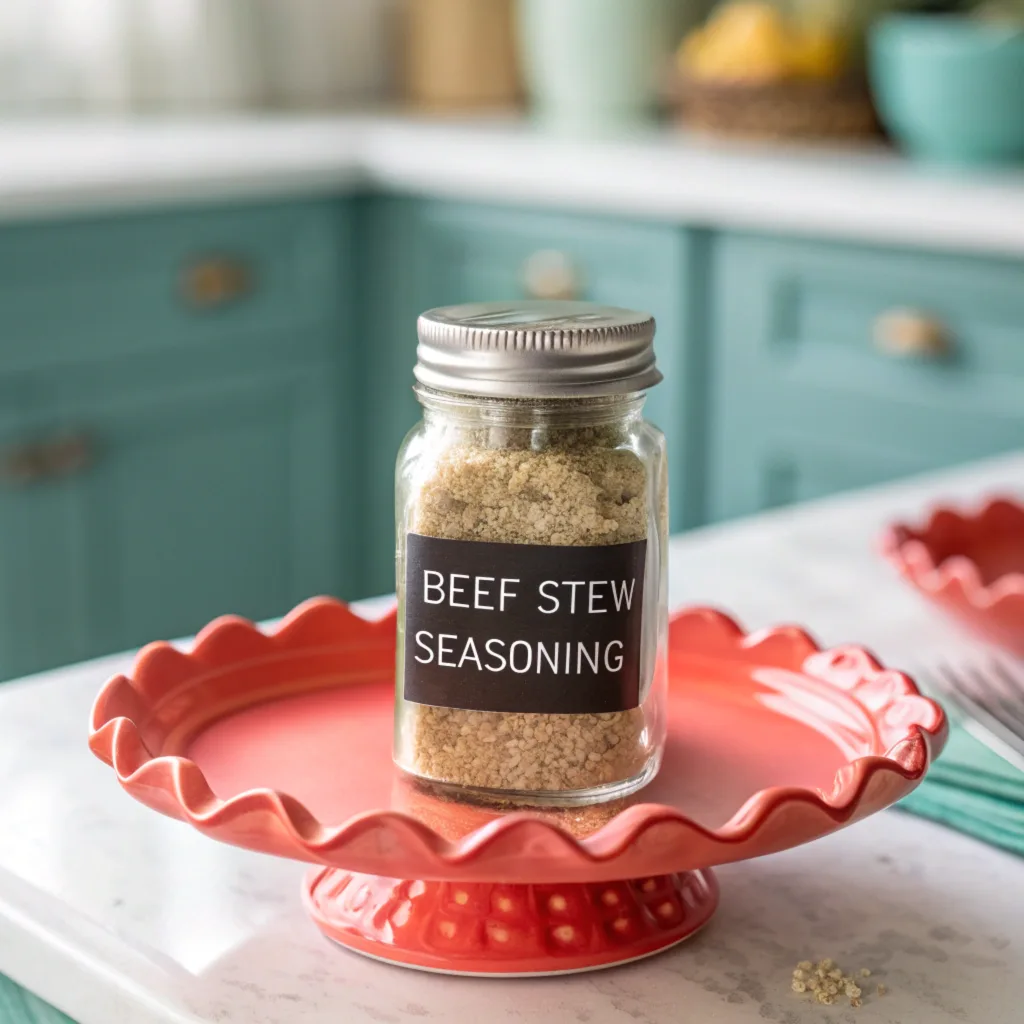
To keep your seasoning fresh and flavorful, store it in an airtight container. Mason jars or small spice containers work perfectly. Place the container in a cool, dark spot, like your pantry or a spice rack away from direct sunlight. Proper storage prevents clumping and preserves the vibrant taste of your mix.
When stored correctly, your homemade seasoning will stay fresh for up to three months. For best results, give the jar a gentle shake before each use to redistribute the spices and herbs evenly. With a ready-to-use blend on hand, you’re just moments away from a perfectly seasoned stew anytime!
Tips for Cooking with Beef Stew Seasoning
How Much Seasoning to Use
When it comes to seasoning, finding the perfect balance is key. For most recipes, about two to three tablespoons of your beef stew seasoning recipe per four cups of broth is ideal. This ensures a rich, flavorful base without overwhelming the natural taste of the beef and vegetables. If you’re using a mix with added salt, start conservatively—you can always add more later.
To evenly distribute the seasoning, sprinkle it over the meat before searing, as well as during the cooking process. This layering technique enhances the flavor at every stage.
When to Add the Seasoning During Cooking
Timing can make all the difference! Adding seasoning at the right moment ensures that the spices meld with the broth and meat. Begin by coating your beef with the seasoning before browning it. This step locks in flavor and creates a savory crust.
As your stew simmers, sprinkle a bit more seasoning into the pot. Adding it gradually allows the flavors to infuse throughout the broth. Save a final pinch for the last 10 minutes of cooking to give your stew a fresh, aromatic boost.
Pairing Seasoning with Ingredients for Maximum Flavor
Certain ingredients work exceptionally well with this seasoning blend. Root vegetables like carrots, potatoes, and parsnips complement the earthy notes of basil and oregano. A splash of red wine or balsamic vinegar adds acidity, enhancing the stew’s depth.
For more delicious ideas, check out The Best Way to Prepare Baby Dutch Yellow Potatoes. These buttery potatoes are a fantastic addition to your stew.
Common Mistakes to Avoid
Over-Seasoning or Under-Seasoning
One of the easiest mistakes to make is overloading your stew with spices or, on the flip side, not using enough. Too much seasoning can overpower the natural taste of the beef and vegetables, while too little leaves the dish bland. To avoid this, taste as you go. Start small and adjust gradually, remembering that flavors intensify as the stew cooks.
Using Poor-Quality Ingredients
The quality of your ingredients significantly impacts the flavor of your stew. Old, stale spices can lead to a flat-tasting dish. Always opt for fresh, high-quality herbs and spices when preparing your beef stew seasoning recipe. Check expiration dates and store your mix properly to maintain its potency.
Not Adjusting for Dietary Restrictions
Ignoring dietary needs can lead to a dish that doesn’t suit everyone at the table. If you’re cooking for guests, confirm if anyone requires low-sodium, gluten-free, or vegan-friendly options. Customizing your seasoning blend ensures everyone can enjoy a hearty bowl of stew.
Avoid these common pitfalls, and you’ll create a stew that’s perfectly seasoned every time! For more kitchen tips, visit Truth Recipes.
Stay tuned for the next section, where we’ll address frequently asked questions about beef stew seasoning!
FAQs about Beef Stew Seasoning
What is the Ideal Salt to Herb Ratio for Beef Stew Seasoning?
Finding the right balance between salt and herbs is crucial for a well-rounded beef stew seasoning recipe. A good starting point is using 1 ½ tablespoons of kosher salt for every five tablespoons of seasoning mix. This ratio ensures the stew has enough flavor without being overly salty. If you’re unsure, start with a smaller amount of salt and adjust as the stew cooks.
Can This Seasoning Be Used for Other Dishes?
Absolutely! This versatile beef stew seasoning recipe works wonders in other dishes like pot roast, grilled vegetables, or even as a rub for roasted chicken. The blend of savory, earthy spices pairs well with various proteins and hearty sides. Experiment with your favorite dishes to discover new ways to use this flavorful mix.
How Do I Reduce Saltiness in My Stew?
If your stew turns out too salty, don’t panic. You can balance the flavors by adding unsalted broth, diced potatoes, or even a splash of cream. These additions help dilute the salt without compromising the taste. It’s always better to season gradually and taste as you go to avoid over-seasoning.
For more seasoning tips, check out Truth Recipes for additional inspiration.
Variations of Beef Stew Seasoning Recipes
Smoky Beef Stew Seasoning with Smoked Paprika
For a bold, smoky twist, swap regular paprika with smoked paprika. Not only does this simple change add depth to your beef stew seasoning recipe, but it also creates a unique, rich flavor profile. Additionally, smoked paprika pairs beautifully with red wine-based stews, enhancing their complexity. To take it a step further, consider adding a pinch of ground chipotle pepper for an extra smoky kick. Ultimately, these small adjustments can transform your seasoning blend into a show-stopping element of your dish. Furthermore, experimenting with these flavors allows you to customize your stew to suit your taste preferences perfectly.
Spicy Beef Stew Seasoning with Extra Cayenne Pepper
If you love heat, increase the amount of cayenne pepper in your seasoning mix. A quarter teaspoon of cayenne adds a gentle kick, but for a fiery stew, try adding up to half a teaspoon. To balance the spice, add a touch of brown sugar or honey for sweetness.
Herbal Infusion with Fresh Herbs Instead of Dried
For a garden-fresh flavor, replace dried herbs with fresh ones like basil, thyme, and oregano. Fresh herbs bring a vibrant, aromatic quality to the stew. However, since fresh herbs are less concentrated, you’ll need about three times the amount used for dried. Add fresh herbs toward the end of cooking to preserve their flavor.
These variations let you tailor your beef stew seasoning recipe to suit your preferences, ensuring each bowl of stew is as unique as it is delicious. Stay tuned for more creative tips and recipes to elevate your cooking!
Pairing Beef Stew with Side Dishes and Drinks
Best Side Dishes to Complement Beef Stew
A hearty stew deserves equally satisfying sides. Classic options like crusty bread or buttery dinner rolls are perfect for soaking up the rich broth. For something heartier, serve your beef stew over creamy mashed potatoes or alongside a simple rice pilaf. These starchy sides balance the robust flavors of the beef stew seasoning recipe and add texture to the meal.
Vegetable-based sides also shine when paired with beef stew. A crisp green salad with a tangy vinaigrette or roasted root vegetables can cut through the richness of the stew, creating a balanced plate. For a rustic touch, try serving the stew with a side of roasted Brussels sprouts or garlic green beans.
Drinks that Enhance the Flavor of Beef Stew
Pairing the right drink with your beef stew can elevate the dining experience. A robust red wine, such as Cabernet Sauvignon or Merlot, complements the deep, savory notes of the beef stew seasoning recipe. For beer lovers, a dark stout or a malty brown ale provides a rich, satisfying match.
If you prefer non-alcoholic options, a glass of iced tea with lemon or a sparkling water infused with citrus offers a refreshing contrast. In addition, these beverages provide a light, crisp pairing to cut through the stew’s richness. Moreover, they are easy to prepare and serve alongside your meal. The key is to select a drink that balances the hearty, seasoned flavors of the stew while still enhancing the overall dining experience. Ultimately, choosing the right drink can elevate the enjoyment of your beef stew without overpowering the dish. Finally, consider experimenting with flavored teas or sparkling juices to add a unique twist.
Advanced Techniques for Flavor Enhancement
Marinating Beef with the Seasoning Before Cooking
For an extra layer of flavor, marinate your beef with the beef stew seasoning recipe before cooking. Combine the seasoning with olive oil, a splash of vinegar, and a touch of honey to create a flavorful marinade. Coat the beef thoroughly and let it sit in the refrigerator for at least an hour, or overnight for deeper flavor absorption. This step ensures the seasoning penetrates the meat, creating tender, flavorful bites.
Layering Flavors During Cooking
Building flavor gradually is a chef’s secret weapon. Start by seasoning the beef before browning it to develop a savory crust. As you sauté the vegetables, add another sprinkle of your seasoning mix to enhance their natural sweetness. Finally, stir in the remaining seasoning as the stew simmers, allowing the spices to meld with the broth for a rich, cohesive flavor.
Thickening the Stew for Richness
A well-seasoned stew undoubtedly benefits from the perfect texture. To achieve this, if your stew is too thin, you can use a slurry made of flour and water or cornstarch to thicken it. Alternatively, you could blend a portion of the cooked vegetables and return them to the pot, not only as a natural thickening agent but also to add body and depth to the broth.
By following these advanced techniques, you can ensure that you get the most out of your beef stew seasoning recipe. As a result, every bowl will be as flavorful and satisfying as it can be. Finally, stay tuned for the final thoughts and tips to round out this ultimate guide! For more tips and tricks, visit our Facebook page.