
Introduction
The Best Way to Prepare Baby Dutch Yellow Potatoes starts with understanding their unique qualities. These small, golden delights are loved for their buttery taste, tender skin, and versatile cooking potential. Learning the best way to prepare baby Dutch yellow potatoes ensures your dishes turn out flavorful and nutritious every time.
In this article, we’ll explore the best way to prepare baby Dutch yellow potatoes, including cleaning, cooking, and storage tips. You’ll discover their health benefits, learn if eating the skin is safe, and get inspired by mouthwatering recipes. For more insights on potato preparation, check out our guide on Do You Need to Peel Baby Yellow Potatoes?. Let’s dive into the world of baby Dutch yellow potatoes!
Table of Contents
What Are Baby Dutch Yellow Potatoes?
What Makes Baby Dutch Yellow Potatoes Unique?
Baby Dutch yellow potatoes are small, golden gems that stand out for their creamy texture and buttery flavor. These potatoes are not only delicious but also versatile, making them a staple in many kitchens. The best way to prepare baby Dutch yellow potatoes starts with understanding their unique qualities, nutritional benefits, and origins.
Where Are They Grown?
Primarily cultivated in the United States and the Netherlands, these potatoes are prized for their consistent size and uniform color, making them a popular choice for chefs and home cooks alike.
Nutritional Benefits of Baby Dutch Yellow Potatoes
Baby Dutch yellow potatoes are not only delicious but also packed with essential nutrients:
- Vitamin C: Supports a healthy immune system.
- Potassium: Promotes muscle and heart health.
- Dietary Fiber: Helps with digestion and keeps you full longer.
- Antioxidants: Combat oxidative stress and promote skin health.
Their low-calorie content and naturally buttery flavor make them a healthier alternative to other carbohydrate options.
Preparing Baby Dutch Yellow Potatoes: The Basics
How to Clean Baby Dutch Yellow Potatoes Properly
Cleaning baby Dutch yellow potatoes is an essential step to ensure they’re free of dirt and bacteria. Follow these steps for perfectly clean potatoes:
- Rinse Thoroughly: Place the potatoes in a colander and rinse them under cold running water. Use your hands to remove visible dirt.
- Use a Brush: For stubborn dirt or residues, gently scrub the potatoes using a vegetable brush.
- Avoid Soaking: Potatoes can absorb water quickly, so avoid prolonged soaking.
- Dry Them: Pat the potatoes dry with a clean kitchen towel before cooking to ensure a crispier texture when roasted.
Should You Peel or Leave the Skin On?
Baby Dutch yellow potatoes have a thin, tender skin packed with nutrients and flavor. Most recipes recommend leaving the skin on to retain these benefits. However, if you prefer a smoother texture, peeling is an option:
- Use a paring knife or a vegetable peeler for precision.
- For roasted or boiled dishes, leaving the skin on adds a satisfying crunch and retains more vitamins.
Essential Kitchen Tools for Preparation
Before diving into cooking, gather these basic tools for effortless preparation:
- Vegetable Brush: For cleaning the potatoes.
- Sharp Knife: For chopping or slicing.
- Cutting Board: A sturdy surface for safe cutting.
- Colander: For rinsing and draining.
- Baking Tray or Pot: Depending on the cooking method.
The Best Cooking Methods for Baby Dutch Yellow Potatoes
Roasting: A Crisp and Flavorful Option
Whether you’re roasting, boiling, or sautéing, the best way to prepare baby Dutch yellow potatoes depends on the flavor profile you want to achieve.
- Preheat the Oven: Set your oven to 400°F (200°C).
- Prepare the Potatoes: Toss the potatoes in olive oil, salt, pepper, and your favorite seasonings like rosemary or garlic powder.
- Spread Evenly: Arrange them in a single layer on a baking tray for even cooking.
- Roast: Bake for 20-25 minutes, flipping halfway through to ensure crispy, golden edges.
Boiling: Soft and Tender Potatoes for Salads
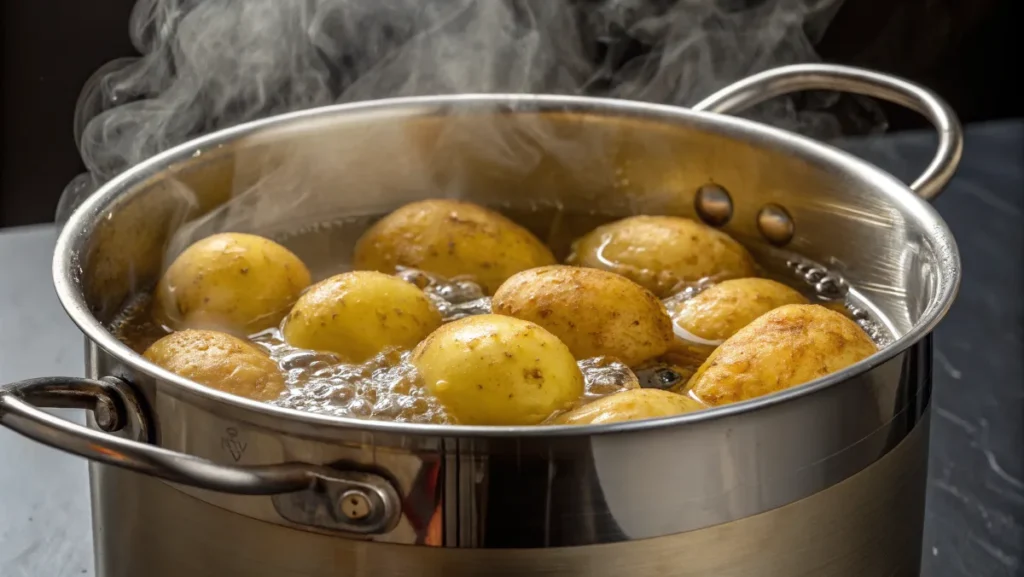
Boiling is an excellent method for making creamy potato salads or mashing. Follow these steps:
- Prep the Potatoes: Wash and leave the skin on for added flavor. Cut them into equal-sized pieces for even cooking.
- Boil Water: Bring a pot of salted water to a boil.
- Cook: Add the potatoes and simmer for 10-15 minutes until fork-tender.
- Drain: Remove from heat and drain immediately to prevent overcooking.
Sautéing: Quick and Easy for a Side Dish
Sautéing is a fast way to cook baby Dutch yellow potatoes with a golden crust. Here’s what to do:
- Slice the Potatoes: Cut them into thin, even slices or halves for quicker cooking.
- Heat the Pan: Warm olive oil or butter in a skillet over medium heat.
- Cook: Add the potatoes and sauté for 10-12 minutes, stirring occasionally. Add garlic, herbs, or spices for extra flavor.
- Finish with Seasoning: Sprinkle with salt and freshly ground pepper before serving.
Pro Tip: Combine Methods for Unique Dishes
For maximum flavor, try combining cooking methods. For example, parboil the potatoes first, then roast or sauté them for a crispy, caramelized finish.
Flavorful Additions and Seasonings
The Best Herbs and Spices to Use
Baby Dutch yellow potatoes have a mild, buttery flavor that pairs beautifully with a variety of seasonings. Some top choices include:
- Rosemary and Thyme: Classic herbs that enhance the earthy notes of roasted potatoes.
- Garlic Powder and Onion Powder: Perfect for a savory depth of flavor.
- Paprika and Cayenne Pepper: Add a smoky or slightly spicy kick.
- Fresh Parsley or Dill: Sprinkle fresh herbs for a pop of color and freshness after cooking.
How to Infuse Flavors While Cooking
To ensure every bite bursts with flavor, consider these techniques:
- Marinate Before Cooking: Toss potatoes in olive oil, minced garlic, and your chosen spices for at least 15 minutes before roasting or sautéing.
- Layer in the Pan: When roasting, scatter whole garlic cloves or herb sprigs over the potatoes. The heat will release their aromatic oils into the dish.
- Use Flavored Oils: Swap regular olive oil for garlic-infused or chili-infused oils to elevate the taste effortlessly.
Pairing Baby Dutch Yellow Potatoes with Other Ingredients
These versatile potatoes shine in combination with other ingredients:
- Vegetables: Bell peppers, onions, and zucchini complement their buttery flavor in roasted medleys.
- Proteins: Pair them with roasted chicken, steak, or salmon for a complete meal.
- Cheese: Top with shredded Parmesan or crumbled feta for added richness.
- Citrus: A squeeze of lemon or a dash of zest brightens up any potato dish.
Can You Eat the Skin of Baby Dutch Yellow Potatoes?
Benefits of Eating Potato Skin
The skin of baby Dutch yellow potatoes is not only edible but also highly nutritious. Eating the skin provides:
- Fiber: Helps maintain healthy digestion.
- Antioxidants: Protects cells from damage caused by free radicals.
- Micronutrients: The skin contains iron, potassium, and magnesium, essential for overall health.
Nutritional Content of Potato Skin
Most of the fiber and many nutrients of potatoes are concentrated in their thin, golden skin. Compared to the flesh alone, the skin adds:
- 40-50% more fiber for better digestion.
- Higher levels of vitamin C and B vitamins.
- Trace minerals like zinc and copper.
Tips to Ensure Clean, Safe Skins
Although eating the skin is beneficial, it’s crucial to clean the potatoes properly to remove dirt, bacteria, and pesticides:
- Rinse Thoroughly: Always rinse under cold water to remove loose dirt.
- Use a Vegetable Brush: Gently scrub the surface, especially for potatoes sourced directly from farms.
- Inspect for Blemishes: Remove any green spots or sprouts, as these can contain solanine, a natural toxin.
- Opt for Organic: If possible, choose organic baby Dutch yellow potatoes to minimize pesticide exposure.
In most dishes, the skin adds a pleasant texture and flavor. Whether roasted, boiled, or sautéed, leaving the skin on enhances both taste and health benefits.
Are Baby Dutch Yellow Potatoes Good for Specific Diets?
How They Fit into a Gluten-Free Diet
Baby Dutch yellow potatoes are naturally gluten-free, making them an excellent choice for individuals with gluten intolerance or celiac disease. They’re a great substitute for bread or pasta in many recipes.
Are They Suitable for Low-Carb Diets?
While potatoes are higher in carbs compared to some vegetables, baby Dutch yellow potatoes are a smarter choice because of their lower glycemic index (compared to russet potatoes). Enjoy them in moderation on a low-carb diet:
- Pair them with high-fiber vegetables to balance the carbs.
- Use smaller portions for carb-conscious meals.
Baby Dutch Yellow Potatoes for Vegan and Vegetarian Meals
These potatoes are a fantastic staple for plant-based diets, offering a good source of:
- Plant-based energy: Ideal for fueling active lifestyles.
- Key nutrients: Potassium, vitamin C, and antioxidants.
They work well in hearty salads, veggie stews, and as a roasted side dish for vegan main courses.
With their adaptability and health benefits, baby Dutch yellow potatoes are a valuable addition to nearly any diet plan.
How to Store Baby Dutch Yellow Potatoes Correctly
Should You Refrigerate Them?
Storing baby Dutch yellow potatoes properly ensures their freshness and flavor. While many vegetables benefit from refrigeration, potatoes do not. Refrigerating them can:
- Alter their taste: Low temperatures convert potato starches into sugars, leading to an overly sweet flavor.
- Impact texture: Refrigerated potatoes may become gritty or develop an undesirable consistency.
Optimal Storage Conditions
Follow these tips to extend the shelf life of your potatoes:
- Cool, Dark, and Dry Place: Store them in a well-ventilated area like a pantry or a cupboard, away from sunlight to prevent sprouting and greening.
- Avoid Plastic Bags: Use a breathable storage container, like a paper bag, to allow air circulation and reduce moisture buildup.
- Keep Away from Onions: Onions release gases that can accelerate spoilage when stored near potatoes.
Signs of Spoilage to Watch For
Regularly check your potatoes for these common signs of spoilage:
- Softness or Wrinkling: Indicates moisture loss.
- Green Spots: Caused by exposure to sunlight, these spots may contain solanine, a toxin that should be trimmed before use.
- Sprouting: While sprouts are safe if removed, their presence indicates the potatoes are aging.
By following these simple storage techniques, you’ll keep your baby Dutch yellow potatoes fresh and ready to use for longer periods.
Delicious Recipes Featuring Baby Dutch Yellow Potatoes
Herb-Roasted Baby Dutch Yellow Potatoes
A simple yet flavorful side dish, perfect for any meal.
Ingredients:
- 1 lb baby Dutch yellow potatoes.
- 2 tbsp olive oil.
- 1 tsp garlic powder.
- 1 tsp dried rosemary.
- Salt and pepper to taste.
Instructions:
- Preheat Oven: Set your oven to 400°F (200°C).
- Prepare Potatoes: Wash and dry the potatoes. Halve larger ones for even cooking.
- Season: Toss potatoes with olive oil, garlic powder, rosemary, salt, and pepper.
- Roast: Arrange in a single layer on a baking sheet. Roast for 25-30 minutes, flipping halfway through, until golden and crispy.
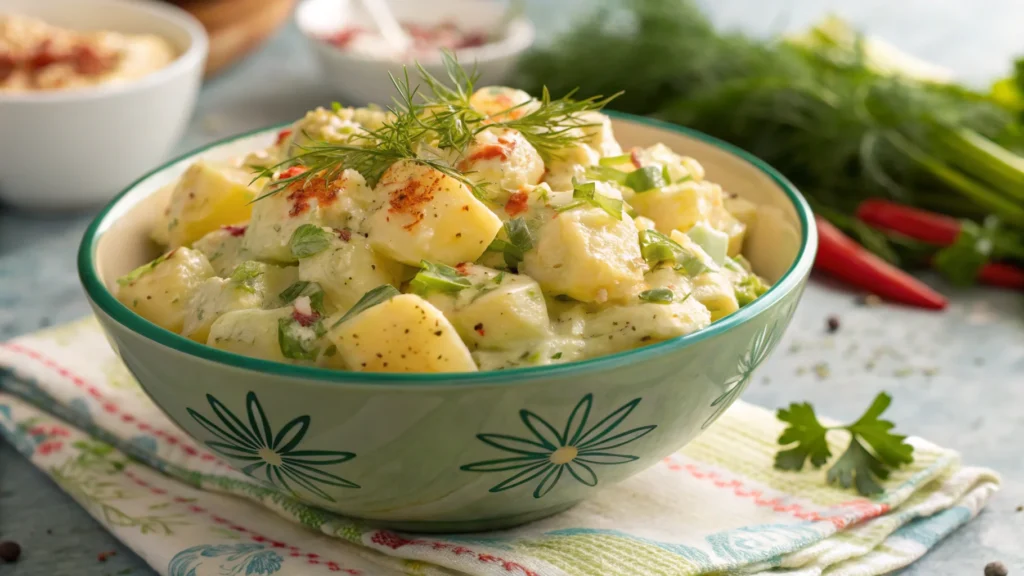
Creamy Baby Dutch Yellow Potato Salad
A refreshing twist on a classic summer favorite.
Ingredients:
- 1 lb boiled baby Dutch yellow potatoes (cooled).
- 1/3 cup mayonnaise.
- 1 tbsp Dijon mustard.
- 1 tsp apple cider vinegar.
- 1/4 cup chopped celery.
- 2 tbsp fresh dill.
- Salt and pepper to taste.
Instructions:
- Prepare Potatoes: Cut boiled potatoes into bite-sized pieces.
- Mix Dressing: In a bowl, whisk mayonnaise, mustard, vinegar, salt, and pepper.
- Combine: Add potatoes, celery, and dill to the dressing. Toss gently.
- Chill: Refrigerate for 1-2 hours before serving.
Sautéed Garlic Potatoes
Quick and perfect for weeknight dinners.
Ingredients:
- 1 lb baby Dutch yellow potatoes, halved.
- 2 tbsp butter.
- 2 cloves garlic, minced.
- Salt and pepper to taste.
Instructions:
- Heat Butter: Melt butter in a skillet over medium heat.
- Cook Potatoes: Add halved potatoes cut-side down. Cook for 10 minutes until golden brown.
- Add Garlic: Stir in minced garlic and season with salt and pepper. Cook for an additional 3-5 minutes.
- Serve Hot: Garnish with fresh parsley if desired.
FAQs About Baby Dutch Yellow Potatoes
Can You Eat the Skin of Baby Dutch Yellow Potatoes?
Yes, the skin of baby Dutch yellow potatoes is not only edible but also highly nutritious. The thin, tender skin contains fiber, antioxidants, and essential nutrients like potassium and magnesium. Ensure they are thoroughly washed to remove dirt and residues before cooking.
How to Clean Baby Dutch Yellow Potatoes?
Cleaning is simple:
Rinse the potatoes under cold running water.
Use a vegetable brush to remove dirt from the skin gently.
Pat dry before cooking to avoid excess moisture affecting the texture.
What Are Dutch Potatoes Good For?
Baby Dutch yellow potatoes are incredibly versatile and ideal for various dishes:
Roasting: Their buttery flavor shines with crispy edges.
Boiling: Perfect for creamy salads or mashing.
Sautéing: A quick way to prepare them as a side dish.
Additionally, they’re a great source of energy and nutrients, fitting well into balanced diets.
Should Baby Dutch Yellow Potatoes Be Refrigerated?
No, potatoes should not be refrigerated. Cold temperatures convert starches into sugars, altering their taste and texture. Store them in a cool, dry, dark place like a pantry for optimal freshness.
Conclusion
The Best Way to Prepare Baby Dutch Yellow Potatoes is both simple and rewarding. From proper cleaning and cooking methods to creative recipes, these versatile potatoes can elevate any meal. Whether you roast them to perfection, boil them for creamy salads, or sauté them with garlic, mastering the best way to prepare baby Dutch yellow potatoes ensures your dishes are flavorful and nutritious.
By following these tips, you’ll create meals that your family and friends will love. Don’t forget to experiment with different seasonings and pairings to make these golden gems shine even brighter on your table.
For more inspiration, recipes, and tips, follow us on Truth Recipes Facebook page.