
The first time I tasted Din Tai Fung Style Xiao Long Bao, I was completely hooked. I didn’t know a dumpling could be so delicate yet so full of flavor—a thin wrapper holding perfectly seasoned pork and that unforgettable burst of steamy broth. I left the restaurant thinking, “This is it. I have to learn how to make this at home.”
Back in my kitchen, things got messy fast. My first try at recreating Din Tai Fung Style Xiao Long Bao ended in dumpling carnage—leaking soup, clumsy folds, and wrappers that wouldn’t cooperate. But I kept at it, tweaking the soup gelatin, folding method, and filling until it finally came together. When my picky eaters asked for seconds without a single complaint, I knew I had nailed the recipe. Looking for the perfect side dish? Don’t miss our Din Tai Fung cucumber salad recipe to complete your meal.
Table of Contents
What is Din Tai Fung Style Xiao Long Bao?
The Origin of Xiao Long Bao and Din Tai Fung’s Legacy
Xiao Long Bao, often called soup dumplings, originated in the Jiangnan region of China, most famously in Shanghai. These delicate parcels are filled with savory minced pork and a rich, seasoned broth that turns to liquid gold when steamed. The name “xiao long bao” literally means “small basket buns,” named after the bamboo steamers they’re traditionally cooked in.
While many regional variations exist, no version has become quite as iconic as Din Tai Fung Style Xiao Long Bao. Din Tai Fung, founded in Taiwan in 1972, transformed the humble soup dumpling into an internationally celebrated dish. Known for its meticulous craftsmanship and consistent quality, Din Tai Fung elevated xiao long bao into a culinary art form—focusing on thin, uniform wrappers, precisely 18 folds, and an ideal ratio of soup to meat filling.
Din Tai Fung’s dedication to precision is a huge part of what makes their dumplings so crave-worthy. But the good news? With a little practice and the right steps, you can recreate the signature flavor and texture of Din Tai Fung Style Xiao Long Bao right at home.

What Makes Din Tai Fung’s Xiao Long Bao Unique?
There are soup dumplings, and then there’s Din Tai Fung Style Xiao Long Bao. What sets these dumplings apart isn’t just their elegant appearance—it’s the engineering behind them. Each dumpling contains a carefully balanced amount of soup that melts in your mouth, not on your plate.
The secret lies in two critical elements: the ultra-clear gelatinized broth (also known as aspic) and the thin yet elastic dumpling wrapper that holds it all together without bursting. The soup is created by slowly simmering chicken, pork bones, and aromatic ingredients like ginger, garlic, and Shaoxing wine. Once chilled, the broth becomes a firm gelatin that gets folded into the pork filling. As the dumplings steam, the gelatin melts, creating the luscious soup inside.
Din Tai Fung also keeps their filling incredibly light and flavorful by using a mix of ground pork, a touch of shrimp, and aromatics like ginger and sesame oil. Their commitment to balance—between richness and lightness, chew and softness, salt and umami—is what makes every bite unforgettable.
To complete the experience, check out our guide to what kind of vinegar do they use at Din Tai Fung, which reveals the dipping sauce secret that perfectly complements the dumplings’ flavor.
Key Ingredients for Authentic Din Tai Fung Style Xiao Long Bao

Essential Ingredients for the Soup Base and Gelatin (Aspic)
One of the biggest secrets behind Din Tai Fung Style Xiao Long Bao is the rich, concentrated soup inside each dumpling. But here’s the twist—the soup starts out as gelatin, not liquid. You’ll need chicken parts (like wings, backs, and necks), a bit of Chinese cured ham, and aromatics like fresh ginger, garlic, green onions, and a single dried shiitake mushroom to build deep, savory layers in the broth.
Once you’ve simmered the ingredients into a flavorful broth, it’s reduced and thickened with unflavored gelatin to form a jiggly aspic. This cooled, cubed gelatin gets folded into the pork filling. As the dumplings steam, the aspic melts, turning back into soup and delivering that iconic soup explosion in every bite.
To get the taste just right, don’t skip the Shaoxing wine and soy sauce—they add a slightly sweet, nutty base note that makes the broth shine. If you’re curious about ingredient swaps or building umami-rich stocks, you might also enjoy our guide to the one ingredient upgrade for better beef stew.
Filling Perfection: Pork, Shrimp, and Aromatics
Now let’s talk about the heart of Din Tai Fung Style Xiao Long Bao: the filling. The base is ground pork, but what makes this filling special is the balance of flavors and textures. A small amount of finely chopped shrimp adds natural sweetness and a slight firmness that plays beautifully against the soft pork.
Aromatics matter here—minced garlic, green onions, grated fresh ginger, and sesame oil bring brightness and complexity. A touch of sugar enhances the pork’s natural flavor, while soy sauce and Shaoxing wine provide depth. Salt and black pepper finish it off.
Unlike meatballs or potstickers, this filling shouldn’t be over-mixed. It should remain tender and loose enough to blend seamlessly with the aspic cubes. If it’s too dense, you won’t get that smooth, silky texture Din Tai Fung is known for.
And remember: don’t overload the dumplings. Just a teaspoon of filling—with a couple of gelatin cubes—is all you need. This ensures the wrapper won’t burst during steaming.
Looking for more protein-packed dishes that your family will love? Discover great ideas like this air fryer steak recipe that’s just as juicy and satisfying.
Crafting the Soup Gelatin Base: Step-by-Step Guide
Why Aspic Matters: Creating the Signature Soup Explosion
If there’s one ingredient that defines Din Tai Fung Style Xiao Long Bao, it’s the soup gelatin—also known as aspic. This clever little trick transforms your dumpling from ordinary to unforgettable. Instead of pouring soup into the wrapper (which, let’s be real, would be a mess), the broth is cooled into a solid and folded into the pork mixture. Once steamed, it melts into rich, savory soup inside the dumpling.
This is where Din Tai Fung Style Xiao Long Bao truly earns its reputation. The aspic is made by simmering chicken parts, a touch of Chinese ham, and aromatics like garlic, ginger, and green onions. Add soy sauce and Shaoxing wine for depth, and the result is a golden broth loaded with umami. That broth is then thickened with unflavored gelatin, chilled overnight, and cubed. Those cubes—tiny but mighty—are what make that first bite burst with flavor.
By taking the time to craft a proper broth, you’re one step closer to recreating the exact texture and flavor that makes Din Tai Fung Style Xiao Long Bao a global sensation. This step can’t be rushed, but it absolutely pays off.
How to Properly Prepare and Store the Soup Gelatin
Start with 10 cups of water in a large pot. Add your chicken wings, ham, ginger, and other soup base ingredients, then bring to a boil. Skim any foam and reduce the heat to a simmer. Let it go for about 2½ hours, adding more water if needed. Once your broth is rich and deeply aromatic, strain it, then return it to the pot and reduce until only 2 cups remain.
Sprinkle unflavored gelatin over a few tablespoons of water, let it soften, then stir it into the hot broth until dissolved. Pour everything into a shallow glass dish (a 13×9-inch pan is perfect), cover it, and refrigerate overnight. It should set firmly into a jiggly gel.
The next day, cut the gelatin into 1/3-inch cubes. Gently fold a third of them into the dumpling filling. Keep the rest refrigerated and add them in batches as you work. If the gelatin warms up too much, it’ll melt before it gets steamed—ruining your perfect Din Tai Fung Style Xiao Long Bao moment.
Don’t miss our deep-dive on rich, flavorful rice recipes like this comforting Japanese butter rice—another dish that’s all about balance and bold flavors.
Dumpling Dough and Wrappers
Should You Make or Buy Wrappers? Pros and Cons
When making Din Tai Fung Style Xiao Long Bao at home, one of the biggest decisions is choosing between store-bought wrappers or homemade dough. Your choice can dramatically affect the texture, elasticity, and final flavor experience of your soup dumplings.
Store-bought dumpling wrappers are great for beginners. They’re easy to find, usually uniform in shape, and save time. However, they tend to be slightly thicker and less elastic than what’s traditionally used in Din Tai Fung Style Xiao Long Bao, which can lead to a less delicate bite and more breakage during steaming.
On the other hand, if you want the most authentic texture and flavor, making your own wrappers is worth the effort. With just flour and hot water, you can create wrappers that are soft, stretchy, and thin enough to handle the filling and soup without tearing. This is the secret behind the silky, semi-translucent skin that defines every bite of Din Tai Fung Style Xiao Long Bao. It’s labor-intensive, but the reward is dumplings that truly melt in your mouth.
For another homemade classic with a similar hands-on feel, check out our homemade Mexican pizza recipe—a great way to get creative with the whole family.
Shaping Techniques to Get the Perfect Dumpling Pleats
Once your wrappers are ready, shaping your dumplings is where art meets function. Traditional Din Tai Fung Style Xiao Long Bao are known for their 18 precise pleats—a visual cue of both craftsmanship and structural strength.
To start, place a wrapper in your hand and spoon in a generous teaspoon of filling, including one or two cubes of gelatin. Wet the edge of the wrapper slightly, then pleat the dough by pinching and folding in a circular motion until it forms a tightly sealed pouch. Twist the top gently to lock everything in.
It might take a few tries to get the hang of it, but don’t worry—perfection isn’t required to enjoy these dumplings. Just keep your ingredients cold and your fingers lightly floured, and soon you’ll be wrapping Din Tai Fung Style Xiao Long Bao like a pro.
Assembling Din Tai Fung Style Xiao Long Bao
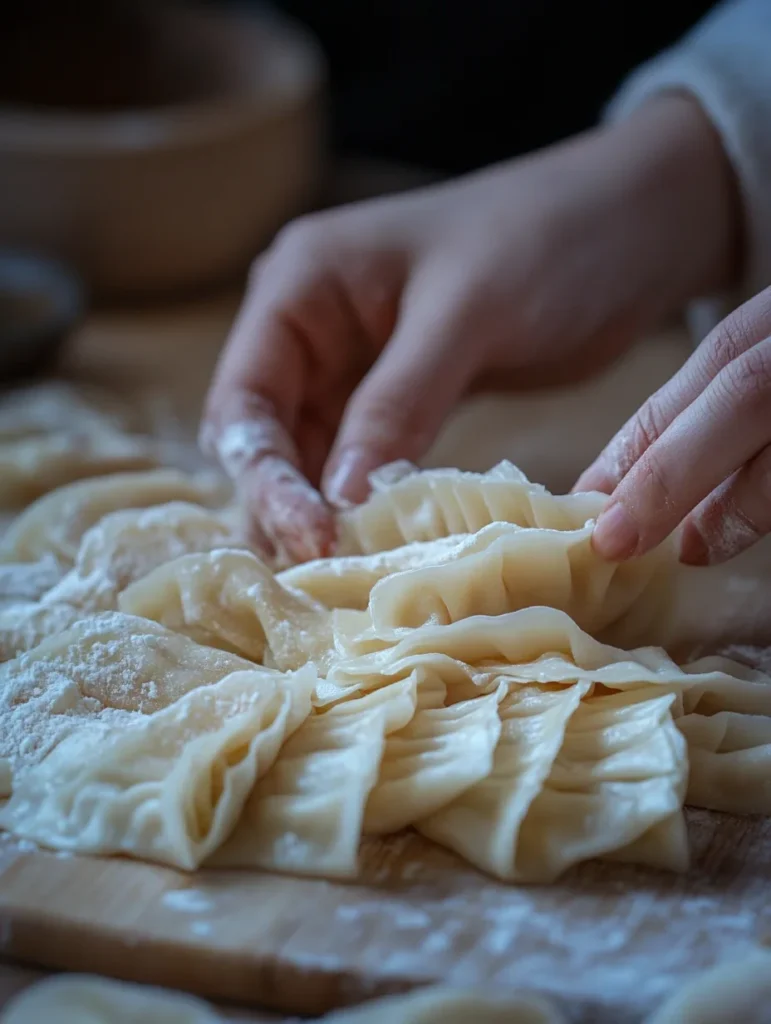
Filling and Folding: The Right Way to Encapsulate the Soup
The most exciting (and honestly, the most nerve-wracking) part of making Din Tai Fung Style Xiao Long Bao is the actual assembly. This step determines whether your dumplings will hold up during steaming—or burst open and leak that precious broth. But don’t worry, with a little care and some practice, you’ll be folding like a dumpling pro.
Start by laying a single wrapper in your palm and placing a heaping teaspoon of filling in the center, making sure to include one or two cubes of your soup gelatin. The trick is balance—too much filling and the wrapper might tear; too little and the dumpling won’t be as satisfying.
Once filled, lightly wet the edges of the wrapper, then begin pleating. You’ll want to fold and pinch the dough clockwise (or counterclockwise if you’re left-handed), aiming for 12 to 18 even pleats. As you pleat, gently gather the dough toward the center to form a round pouch. Then twist and pinch the top to seal it tight. If a bit of soup gelatin pokes out, tuck it back in before sealing.
This may take a few tries, but it’s part of the fun. Don’t be afraid to slow down and refine your technique as you go. Each properly sealed dumpling brings you one step closer to the classic Din Tai Fung Style Xiao Long Bao experience.
Tips to Avoid Leaking Dumplings During Steaming
There’s nothing more disappointing than beautifully folded dumplings that leak during steaming. To avoid this, make sure your wrappers are not too thin at the top, and that the filling remains chilled throughout the assembly process. Warm gelatin can melt too early, weakening the dumpling structure.
Place your finished dumplings on a parchment-lined tray, leaving space between each to prevent sticking. Cover them lightly with plastic wrap or a damp towel while you work on the rest. You can refrigerate them for a day or freeze them in a single layer for longer storage.
When you’re ready to steam, line your bamboo or metal steamer with napa cabbage leaves or parchment with small holes. This prevents sticking without affecting the flavor. Arrange the dumplings so they don’t touch, then steam over boiling water—about 12 minutes if fresh, or 15 if frozen.
For more comfort food ideas that combine rich flavor with a hands-on experience, check out our perfect beef stew seasoning recipe. Like Xiao Long Bao, it’s all about layering ingredients the right way.
Steaming Techniques for Perfect Texture
Traditional Bamboo Steamers vs. Modern Alternatives
Once your Din Tai Fung Style Xiao Long Bao are folded and chilled, the final step is steaming them just right. This is where your efforts come together—or sadly, fall apart. Proper steaming ensures that delicate wrapper stays intact while the soup inside melts into a rich broth.
Bamboo steamers are the traditional method used to cook Din Tai Fung Style Xiao Long Bao. These stackable baskets distribute heat evenly while absorbing excess moisture, keeping the dumplings from becoming soggy. Line the steamer with napa cabbage or parchment paper with holes to prevent sticking without blocking steam circulation.
If you don’t own a bamboo steamer, no worries. A metal steamer or a multi-cooker with a steaming function works too. Just be sure the steam can flow freely and that your dumplings aren’t crowded. Whether you use bamboo or stainless steel, what matters is steaming your Din Tai Fung Style Xiao Long Bao gently and evenly for the perfect texture.
How to Prevent Overcooked or Undercooked Dumplings
Getting the timing right is key to achieving the perfect Din Tai Fung Style Xiao Long Bao. Steam too long and the wrappers become mushy or split. Not long enough, and the gelatin doesn’t fully melt—leaving you with dry, soup-less dumplings.
Start with a pot of water at a rolling boil. Place your dumplings into the steamer, cover tightly, and cook for about 12 minutes if fresh, or 15 minutes if frozen. Keep the lid closed throughout—opening it early can drop the temperature and disrupt the cooking process.
Once done, let them rest for 30 seconds before serving. This allows the broth to settle slightly, reducing the chance of burns or breakage. Serve straight from the steamer for the full experience. And if you’re into classic techniques with a modern twist, check out our Ninja Woodfire Grill recipe ideas for more flavor-forward inspiration.
PART 7: Dipping Sauce Secrets: Black Vinegar and Ginger Magic
What Type of Vinegar is Used at Din Tai Fung?
No serving of Din Tai Fung Style Xiao Long Bao is complete without the iconic dipping sauce. Tangy, slightly sweet, and rich in umami, this sauce enhances the delicate pork filling and complements the richness of the soup. The star ingredient? Chinese black vinegar.
Din Tai Fung uses a fragrant, aged black vinegar typically made from glutinous rice. It’s smoother and more complex than standard white or rice vinegar, with notes of malt and caramel. You can find it at most Asian grocery stores or online. Just be sure to avoid substituting with balsamic or apple cider vinegar—they won’t deliver the same depth of flavor.
If you’ve ever wondered what kind of vinegar do they use at Din Tai Fung, we’ve got the full breakdown in our vinegar guide here. Trust us—it’s worth getting the real stuff if you’re going for that authentic Din Tai Fung Style Xiao Long Bao flavor.
Mixing the Perfect Dipping Sauce for Xiao Long Bao
Making the sauce is simple but essential. For every cup of black vinegar, mix in six tablespoons of soy sauce and a tablespoon or two of finely julienned fresh ginger. The ginger cuts through the richness of the broth, adding brightness and a slight zing to every bite.
This dipping sauce isn’t just a side—it’s an essential part of the Din Tai Fung Style Xiao Long Bao experience. It balances the savory filling, complements the soup, and ties every element together in perfect harmony. Serve it at room temperature for best results, and don’t be shy about adding extra ginger.
For more dipping or side inspiration that matches rich Asian flavors, don’t miss our fresh veggie and tofu spring rolls—they’re light, crisp, and a great pairing with dumplings.
Serving Suggestions and Meal Pairings
How to Serve Xiao Long Bao Like Din Tai Fung

After all that folding, steaming, and flavor-building, you’ll want to serve your Din Tai Fung Style Xiao Long Bao just right. Presentation and timing are everything. Soup dumplings are best served hot and fresh—ideally, straight from the steamer basket to the table.
Serve the dumplings in their steamer tray or transfer them gently to a warmed plate lined with cabbage leaves or parchment to prevent sticking. Include small dipping sauce bowls for each person, filled with the traditional black vinegar, soy sauce, and fresh ginger combo. Bonus points if you warm the serving plates beforehand—it helps keep the dumplings hot for longer.
If you’re hosting or meal-prepping, make the dumplings ahead of time and freeze them uncooked. They’ll steam perfectly from frozen, giving you restaurant-level results any time the craving hits for Din Tai Fung Style Xiao Long Bao at home.
Top Side Dishes to Complement Soup Dumplings
While Din Tai Fung Style Xiao Long Bao can absolutely shine as the main event, pairing them with the right sides turns your meal into a full dim sum experience. At the restaurant, you’ll often find them served alongside cold starters, light soups, or crisp vegetable dishes.
A refreshing side like our Din Tai Fung cucumber salad makes the perfect cooling contrast to hot dumplings. If you’re after something heartier, try the lemon banana blueberry yogurt muffins as a lightly sweet follow-up—unexpected, but surprisingly balanced.
For a full vegetarian-friendly spread, include the veggie and tofu spring rolls or steamed greens dressed in garlic soy. These dishes complement the rich broth and filling of your soup dumplings while adding variety to the plate.
No matter how you serve them, Din Tai Fung Style Xiao Long Bao bring excitement to the table. They’re a conversation starter, a comfort food, and a culinary achievement all in one.
Frequently Asked Questions About Din Tai Fung Style Xiao Long Bao
What is Din Tai Fung Xiao Long Bao?
Din Tai Fung Xiao Long Bao refers to the restaurant’s signature soup dumplings that have gained worldwide fame. These delicate dumplings feature a paper-thin wrapper, savory pork filling, and a rich, flavorful broth encased in gelatin. Once steamed, the gelatin melts into hot soup inside the dumpling. Din Tai Fung’s precise pleating (18 folds per dumpling!) and consistency across locations have set the gold standard for this dish.
When you hear people rave about Din Tai Fung Style Xiao Long Bao, they’re usually talking about this masterful balance of flavor, texture, and presentation.
Why is Din Tai Fung Xiao Long Bao So Good?
The magic of these soup dumplings lies in the technique and ingredients. The broth is simmered for hours with chicken, ham, and aromatics, then turned into gelatin and tucked inside the pork filling. When steamed, the gelatin liquefies, creating that signature soup burst with every bite. Paired with a thin, chewy wrapper and a punchy black vinegar dipping sauce, every element complements the other.
It’s that attention to detail—from wrapper thickness to precise steaming—that makes Din Tai Fung Style Xiao Long Bao so unforgettable.
What Type of Vinegar Is Used for Xiao Long Bao?
Chinese black vinegar is the traditional dipping sauce base for Xiao Long Bao. Din Tai Fung uses a fragrant, aged version that’s smooth and slightly sweet with malty undertones. It’s often combined with soy sauce and finely julienned fresh ginger. The acidity and spice balance the richness of the dumplings and elevate the flavor experience.
We’ve detailed this in our full article: What kind of vinegar do they use at Din Tai Fung?
What Is the Most Popular Dish at Din Tai Fung?
Without a doubt, it’s the Xiao Long Bao. While the restaurant offers a variety of noodle dishes, vegetable sides, and fried rice, the soup dumplings are what put Din Tai Fung on the culinary map. They’re often the first dish to sell out, and the reason many diners wait in line for hours.
If you’re making a version at home, Din Tai Fung Style Xiao Long Bao should be your starting point—it’s the restaurant’s most iconic dish, and easily the most impressive.
Conclusion
Making Din Tai Fung Style Xiao Long Bao at home may seem like a culinary Everest—but with a bit of practice, it’s absolutely achievable (and incredibly rewarding). From crafting the rich soup gelatin to folding the delicate pleats and steaming them just right, every step is a hands-on celebration of flavor and technique.
Once you’ve mastered this recipe, you’ll not only have recreated one of the most iconic dim sum dishes in the world—you’ll have a go-to crowd-pleaser that’s equally impressive on weeknights or special occasions. Don’t miss our homemade Mexican pizza recipe for another flavorful DIY favorite, and if you’re feeling adventurous, check out our authentic southern cornbread recipe to expand your homemade comfort food game.
📌 Follow along or tag me here:
Facebook: Recipes NYC on Facebook
Pinterest: @Recipes_NYC on Pinterest
Medium: https://medium.com/@recipesnyc